Preparing Your Home for Winter: Senior Safety Tips
Cold weather, icy walkways, and shorter days create serious safety risks for seniors living at home. This guide covers everything families need to do to prepare for a safe winter.
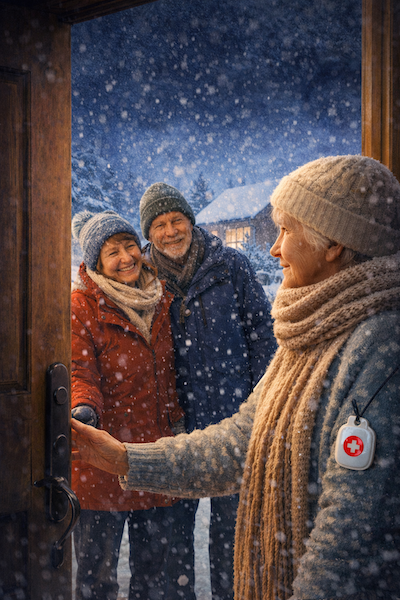
Every year, winter arrives with a familiar set of challenges — shorter days, bitter cold, ice-covered walkways, and the kind of isolation that settles in when leaving the house feels like too much effort. For most people, these inconveniences are manageable. For seniors living at home, they can be genuinely dangerous.
Older adults are more vulnerable to nearly every winter hazard. They lose body heat faster, recover from falls more slowly, and face higher risks from respiratory illness and social isolation. According to the Centers for Disease Control and Prevention, adults over 65 account for the majority of hypothermia-related deaths in the United States. Falls on ice send hundreds of thousands of older adults to emergency rooms each winter. And the quiet toll of seasonal loneliness can be just as damaging to long-term health as any physical injury.
The good news is that most winter risks are preventable with the right preparation. Whether you are a family caregiver, an adult child living far away, or a senior planning ahead for yourself, this guide covers the practical steps you can take to ensure a safe, warm, and connected winter season.
Why Winter Is Especially Dangerous for Seniors
Before diving into specific preparations, it helps to understand why cold weather poses such outsized risks for older adults. The dangers go well beyond slippery sidewalks.
Hypothermia Risk
The human body becomes less efficient at regulating temperature with age. Older adults produce less body heat, and their bodies are slower to recognize when core temperature is dropping. Certain medications, including beta-blockers and sedatives, can further impair the body's ability to respond to cold. This means a senior can develop hypothermia in conditions that would merely feel uncomfortable to a younger person — even inside a poorly heated home.
Falls on Ice and Snow
Falls are already the leading cause of injury among older adults. Add ice, snow, and wet surfaces to the equation, and the risk multiplies significantly. Reduced mobility, diminished balance, vision changes, and inappropriate footwear all contribute to winter falls. A broken hip from a fall on an icy driveway can set off a chain of complications — surgery, hospitalization, loss of independence — that fundamentally changes a senior's life.
Carbon Monoxide Poisoning
Winter means furnaces, space heaters, and fireplaces running for months on end. Older heating systems can develop cracks or leaks that release carbon monoxide, an odorless, colorless gas that is particularly deadly because it offers no warning signs. Seniors may be slower to recognize symptoms like headache, dizziness, and confusion, or may attribute them to other health conditions.
Isolation and Seasonal Depression
Short days, bad weather, and dangerous driving conditions can keep seniors confined to their homes for weeks at a time. This isolation feeds directly into depression, cognitive decline, and a general deterioration in health. Research consistently shows that prolonged social isolation carries health risks comparable to smoking fifteen cigarettes a day. Winter amplifies this problem dramatically for older adults who already have limited mobility.
Flu and Respiratory Illness
Cold, dry air irritates the respiratory system, and spending more time indoors increases exposure to viruses. Adults over 65 are at significantly higher risk for serious complications from influenza, pneumonia, and other respiratory infections. A case of the flu that a younger person might shake off in a week can lead to hospitalization or worse for a senior with underlying health conditions.
Outdoor Safety: Preventing Falls and Cold Exposure
The area between the front door and the mailbox becomes one of the most dangerous places for a senior during winter. Taking outdoor precautions seriously can prevent the kind of fall that changes everything.
Ice and Snow Removal
Arrange for reliable snow and ice removal before the first storm hits. This is not something most seniors should attempt themselves — shoveling snow is strenuous enough to trigger heart attacks even in younger adults.
- Hire a neighborhood teenager, a landscaping service, or a snow removal company. Many communities also have volunteer programs that clear walkways for seniors.
- Keep a supply of ice melt or sand near the front and back doors. Avoid rock salt if possible, as it can damage concrete and is harmful to pets.
- Make sure the path from the door to the car, mailbox, and trash bins stays clear throughout the season, not just after major storms.
Proper Footwear
Shoes and slippers worn indoors all year are not safe for winter conditions. Seniors who do go outside should wear boots or shoes with non-slip soles and good ankle support. Strap-on ice cleats that fit over regular shoes are inexpensive and can provide a significant improvement in traction on icy surfaces. Avoid smooth-soled dress shoes, worn-out sneakers, or anything with a heel.
Limiting Trips in Bad Weather
Some outings can wait. Encourage seniors to check weather forecasts before planning errands and to reschedule non-urgent appointments when conditions are poor. Stock up on essentials so there is no need to venture out during ice storms or extreme cold. When trips are necessary, allow extra time and move slowly and deliberately.
Medical Alert Devices
A personal emergency response system — the kind worn as a pendant or wristwatch — can be a lifeline if a senior falls outside in cold weather and cannot get up. Some newer devices include fall detection and GPS tracking, which are especially valuable during winter when a fall in the driveway could mean lying in the cold for an extended period before anyone notices. If your loved one does not already have a medical alert device, winter is an excellent time to invest in one.
Heating Safety: Staying Warm Without New Risks
Keeping the home warm is essential, but heating equipment is a leading cause of home fires and carbon monoxide poisoning. Safe heating requires attention to both equipment and habits.
Furnace Maintenance
Have the furnace inspected and serviced by a qualified technician before heating season begins. A professional can check for cracks in the heat exchanger, clean or replace filters, and verify that the system is operating safely and efficiently. This is especially important for older furnaces that may not have been serviced recently.
- Replace furnace filters monthly during heavy use. A dirty filter forces the system to work harder and can reduce air quality.
- Make sure all heating vents are unblocked by furniture, rugs, or drapes.
- If the home uses a boiler or radiator system, bleed radiators to remove trapped air that prevents them from heating properly.
Space Heater Dangers
Portable space heaters cause roughly 1,700 home fires per year in the United States. If a senior uses a space heater, make sure it has an automatic shut-off feature that activates if the unit tips over. Place it on a hard, flat surface at least three feet from anything flammable — curtains, bedding, upholstered furniture, newspapers. Never use an extension cord with a space heater, and never leave one running while sleeping or away from home.
Carbon Monoxide Detectors
Install carbon monoxide detectors on every level of the home and near sleeping areas. Test them monthly and replace batteries at least twice a year. If detectors are more than seven years old, replace them entirely. Consider models with digital displays that show current CO levels, not just alarms that activate at dangerous thresholds. If the home has an attached garage, never let a car idle inside it, even with the garage door open.
Keeping the Home Above 68 Degrees
The World Health Organization recommends maintaining indoor temperatures of at least 68 degrees Fahrenheit for older adults. Some seniors turn the heat down to save money, not realizing that a home at 60 or 62 degrees can contribute to hypothermia over time. If heating costs are a concern, look into the Low Income Home Energy Assistance Program (LIHEAP), which provides federal funds to help qualifying households pay heating bills. Many utility companies also offer budget billing programs that spread costs evenly across the year.
Preventing Hypothermia
Hypothermia does not require sub-zero temperatures. It can develop indoors in a home that is not adequately heated, or outdoors in conditions that seem moderate. Knowing the signs and taking preventive measures is critical.
Recognizing the Signs
Early symptoms of hypothermia include shivering, confusion, slurred speech, drowsiness, and a slow or shallow breathing pattern. In seniors, shivering may be less pronounced or absent entirely, making other signs — especially confusion and unusual drowsiness — more important to watch for. Cold hands, feet, or a puffy face can also indicate that the body is struggling to maintain its core temperature. Hypothermia is a medical emergency. If you suspect it, call 911 and begin warming the person gradually with blankets and warm beverages while waiting for help.
Layering Clothing
Encourage seniors to dress in layers even when staying indoors. A base layer of moisture-wicking fabric, a warm middle layer like fleece or wool, and a heavier outer layer for going outside provides effective, adjustable warmth. Do not overlook the extremities — warm socks, slippers with non-slip soles, a hat, and gloves are essential. A significant amount of body heat escapes through the head and feet.
Warm Beverages and Meals
Hot soup, tea, coffee, and warm meals help maintain core body temperature from the inside out. Avoid alcohol, which causes blood vessels to dilate and actually accelerates heat loss despite the initial sensation of warmth. Regular warm meals also help combat the tendency some seniors have to eat less during winter.
Checking on Elderly Neighbors
If you have older neighbors who live alone, make a point of checking on them regularly during cold snaps. A quick knock on the door or a phone call can make the difference between a manageable situation and a medical emergency. Encourage the senior in your life to participate in a buddy system with neighbors or friends, where each person checks on the other daily during severe weather.
Winter Driving Considerations
Driving in winter is risky for everyone, but slower reflexes, reduced vision, and medications that cause drowsiness make it especially hazardous for older drivers.
If your loved one still drives, ensure their vehicle is winter-ready. This means checking the battery, tires (including tire pressure, which drops in cold weather), antifreeze, windshield wipers, and headlights. Keep a winter emergency kit in the car: a blanket, flashlight, extra warm clothing, a phone charger, bottled water, snacks, a small shovel, and sand or kitty litter for traction.
However, the safest option during severe weather is simply not to drive. Encourage seniors to use rides from family, friends, volunteer driver programs, or ride-share services when conditions are poor. Many communities offer senior transportation programs specifically designed to provide safe rides to medical appointments and essential errands. If a home care agency is involved, transportation assistance is often part of the care plan.
Stocking Up: Medications, Groceries, and Emergency Supplies
Being caught without essential supplies during a winter storm is more than an inconvenience for a senior living alone. It can be a health crisis.
Medications
Refill all prescriptions before storm season begins. Aim to keep at least a two-week supply on hand at all times during winter. Ask the pharmacy about mail-order options or automatic refill programs that ensure medications arrive without requiring a trip to the store. Keep an up-to-date list of all medications, dosages, and the prescribing physician's contact information in an easily accessible place.
Groceries and Household Supplies
Stock the pantry with non-perishable foods that are easy to prepare: canned soups, oatmeal, peanut butter, crackers, canned fruit, and shelf-stable milk. Make sure there are enough batteries for flashlights and a battery-powered or hand-crank radio in case of power outages. Keep extra blankets, candles, matches, and a manual can opener within easy reach.
Emergency Supplies
Prepare a basic emergency kit that includes a first-aid kit, extra blankets, a flashlight with fresh batteries, a battery-powered phone charger, bottled water, and a written list of emergency contacts including doctors, family members, and neighbors. If the senior uses medical equipment that requires electricity — such as an oxygen concentrator or CPAP machine — have a plan for power outages that may include a backup generator, battery pack, or a pre-arranged arrangement to stay with family or go to a warming center.
Staying Connected: Combating Winter Isolation
Social isolation during winter is a slow-acting but serious health threat. Families should plan proactively to keep their loved one connected, engaged, and emotionally well throughout the cold months.
Regular Communication
Set up a schedule of daily or near-daily check-ins by phone, video call, or text. Video calls are particularly valuable because they allow you to see your loved one's condition, the state of their home, and their general demeanor. Even a brief five-minute call can break the monotony of a long winter day and provide reassurance on both sides.
Community Resources
Many senior centers, churches, and community organizations offer winter programs specifically designed to keep older adults engaged — exercise classes, hobby groups, card games, and social lunches. Some offer transportation to and from events. Libraries often host book clubs and other activities that give seniors a reason to leave the house and interact with others. Investigate what is available in your loved one's community before winter sets in.
Wellness Checks
For seniors who live alone, arrange for regular in-person wellness checks during winter. This might be a neighbor who stops by every morning, a family member who visits twice a week, or a professional caregiver who comes on a schedule. The person checking in should look for signs of problems — an unusually cold house, spoiled food in the refrigerator, an unkempt appearance, confusion, or signs that the person has not been eating or bathing.
Health Precautions for Cold Weather
Winter health risks extend beyond cold exposure. Taking a few proactive steps in the fall can prevent serious illness during the months ahead.
Flu Shots and Vaccinations
Every senior should get a flu shot before the start of flu season, ideally by the end of October. Adults over 65 should ask their doctor about the high-dose flu vaccine, which is specifically formulated to produce a stronger immune response in older adults. Pneumonia vaccines and updated COVID-19 boosters should also be current. These vaccinations do not guarantee immunity, but they significantly reduce the risk of severe illness and hospitalization.
Vitamin D
Shorter days and less time outdoors mean less natural sunlight, which is the body's primary source of vitamin D. Deficiency is common among older adults during winter and has been linked to weakened bones, a compromised immune system, and increased risk of depression. Ask a doctor whether a vitamin D supplement is appropriate, and include vitamin D-rich foods like fortified milk, salmon, and eggs in the diet.
Staying Active Indoors
Physical activity is essential for maintaining strength, balance, and mood, but icy sidewalks and frigid temperatures make outdoor exercise impractical for most seniors during winter. Chair exercises, gentle yoga, stretching routines, and walking laps inside the house or a mall can help maintain fitness safely. Many communities offer indoor walking programs at senior centers or recreation facilities. Online exercise videos designed for older adults are another accessible option.
How Home Care Helps During Winter
Winter is one of the seasons when the value of professional in-home care becomes most apparent. A home care aide provides not just physical assistance but a consistent, caring human presence during the months when isolation, cold, and limited mobility create the most risk.
Transportation
A caregiver can drive your loved one to medical appointments, the pharmacy, and the grocery store — eliminating the need for a senior to navigate icy roads or wait at bus stops in the cold. This alone can prevent falls, missed appointments, and the kind of self-imposed isolation that comes from dreading the drive.
Wellness Checks and Safety Monitoring
Regular visits from a caregiver serve as built-in wellness checks. A professional who sees your loved one several times a week will notice subtle changes — increased confusion, weight loss, a cold house, signs of depression — that a family member calling from out of state might miss. They can check that the furnace is working, the walkways are clear, and the home is safe and warm.
Meal Preparation
Warm, nutritious meals are one of the simplest and most effective defenses against winter health risks. A caregiver can prepare meals, stock the refrigerator, and make sure your loved one is eating regularly. This is especially important for seniors who tend to skip meals when they are feeling low or when getting to the kitchen feels like too much effort.
Companionship
Perhaps the most undervalued benefit of home care during winter is simple human companionship. Having someone to talk to, share a meal with, or play cards with can lift spirits and break the cycle of isolation that makes winter so hard for many older adults. The presence of a trusted caregiver can transform a long, lonely winter day into something manageable and even enjoyable.
Winter does not have to be a season of fear and risk for the seniors in your life. With thoughtful preparation, the right safety measures, and a strong support system, your loved one can stay safe, warm, healthy, and connected until spring arrives. If you are exploring options for winter support, a local home care agency can help you build a care plan that addresses the specific challenges your family faces during the cold months. Use our directory to find trusted home care providers in your area and take the first step toward a safer winter for the people you love.