Long-Distance Caregiving: How to Support an Aging Parent from Afar
Millions of Americans care for aging parents who live hours or states away. This guide offers practical strategies for coordinating care, building a local support team, and managing the emotional toll of long-distance caregiving.
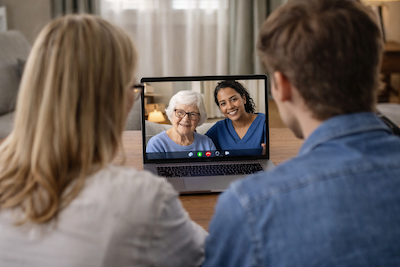
You live hundreds of miles from your aging parent. You call every evening, worry between calls, and feel a knot in your stomach every time the phone rings at an odd hour. If this sounds familiar, you are far from alone. According to the National Alliance for Caregiving and AARP, roughly 11 percent of the estimated 53 million family caregivers in the United States provide care from a distance of an hour or more away. That translates to nearly six million people juggling jobs, families, and the constant concern that comes with not being able to check in on a parent face to face.
Long-distance caregiving is not a lesser form of caregiving. It simply requires a different set of tools, strategies, and support structures. This guide walks through the most important steps you can take to ensure your parent receives quality care even when you cannot be there in person.
Understanding the Scope of Long-Distance Caregiving
Research from the MetLife Mature Market Institute found that long-distance caregivers spend an average of $12,000 per year on caregiving-related expenses, roughly twice what local caregivers spend. The added costs come from travel, hiring professional help to fill the gap left by physical distance, and the productivity lost at work from managing logistics across time zones.
Distance does not diminish the emotional weight of caregiving either. Studies consistently show that long-distance caregivers experience levels of stress and anxiety comparable to or even exceeding those of caregivers who live nearby. The lack of firsthand observation, the reliance on secondhand information, and the feeling of helplessness all compound the emotional burden.
Understanding these realities is the first step toward managing them. When you accept that distance is a constraint you must plan around rather than a failing on your part, you free yourself to focus on what you can control.
Building a Local Care Team
The single most impactful thing a long-distance caregiver can do is assemble a reliable network of people near their parent. No amount of phone calls or video chats can replace having trusted individuals on the ground.
Home Care Agencies
A reputable home care agency can provide everything from a few hours of companionship per week to round-the-clock skilled nursing. When evaluating agencies, ask about caregiver screening processes, backup staffing plans for when a regular aide is unavailable, and how they communicate with family members. Many agencies now offer online portals or mobile apps where you can view visit notes, schedules, and updates in real time.
Geriatric Care Managers
Also known as aging life care professionals, geriatric care managers are trained specialists, usually nurses or social workers, who can serve as your local eyes and ears. They conduct in-home assessments, coordinate medical appointments, negotiate with insurance companies, and provide regular reports. While their services come at a cost, typically $100 to $250 per hour, the peace of mind and expert coordination they provide can be well worth the investment, especially during transitions such as a hospital discharge or a move to assisted living.
Neighbors, Friends, and Faith Communities
Do not underestimate the value of informal support. A neighbor who checks in weekly, a friend from church who drives your parent to services, or a fellow retiree who shares meals can all contribute meaningfully to your parent's wellbeing. Make a point of introducing yourself to these individuals, exchanging contact information, and expressing genuine gratitude for their involvement.
Organizing Your Team
Create a shared contact list that includes every member of your parent's care network: doctors, pharmacist, home care aide, geriatric care manager, emergency contacts, neighbors, and any other family members involved. Keep this list updated and accessible to everyone who might need it. A simple shared document or a caregiving coordination app can serve this purpose well.
Using Technology for Remote Monitoring and Connection
Technology cannot replace human presence, but it can dramatically reduce the information gap that makes long-distance caregiving so stressful.
Medical Alert Systems
A personal emergency response system gives your parent a wearable button that connects them to a 24/7 monitoring center at the press of a button. Modern systems go well beyond the basic pendant. Many now include automatic fall detection, GPS tracking for parents who wander, and two-way communication. Some integrate with smartphone apps that notify you immediately when an alert is triggered.
Video Calls and Communication
Regular video calls allow you to do more than just hear your parent's voice. You can observe their appearance, the state of their home, and their general demeanor in ways that a phone call simply cannot reveal. Establish a consistent schedule, daily or every other day, so that the calls become a routine rather than an interruption. For parents who struggle with smartphones or tablets, consider a device designed specifically for seniors, such as a simplified tablet with a large screen and one-touch video calling.
Smart Home Devices
Smart home sensors can track daily patterns without being intrusive. Motion sensors placed in key areas such as the kitchen, bathroom, and bedroom can alert you if your parent's routine changes significantly, for example, if they stop going to the kitchen in the morning. Smart plugs can monitor whether appliances like the coffee maker or stove are being used. Smart door locks and video doorbells let you know when visitors or care aides arrive and leave.
Automated Medication Dispensers
Medication non-adherence is one of the leading causes of hospitalization among older adults. An automated pill dispenser can be pre-loaded with medications, programmed to dispense at specific times, and set to send alerts to you and your parent if a dose is missed. Some models lock between scheduled doses to prevent accidental double-dosing.
Organizing Important Documents
One of the most valuable things you can do during a visit, or even over the phone, is ensure that all of your parent's critical documents are organized and accessible. If a medical emergency occurs at 2 a.m. and you are 800 miles away, you need to know exactly where everything is.
Essential Documents to Locate and Copy
- Advance directive and living will
- Durable power of attorney for healthcare and finances
- Insurance cards and policy documents (Medicare, Medigap, long-term care insurance)
- List of current medications with dosages and prescribing doctors
- Contact information for all physicians and specialists
- Social Security and pension information
- Property deeds, mortgage documents, and vehicle titles
- Bank and investment account information
- Most recent tax returns
Store digital copies in a secure, shared location such as an encrypted cloud folder. Keep physical copies in a known, accessible place in your parent's home, and make sure at least one trusted local contact knows where they are.
Coordinating Medical Care from a Distance
Managing a parent's healthcare remotely requires proactive communication with their medical providers.
Establishing Communication with Providers
Ask your parent to sign HIPAA authorization forms that allow their doctors to share medical information with you. Without this documentation, providers are legally prohibited from discussing your parent's care with you, no matter how involved you are. Keep signed copies on file with every provider.
Making the Most of Appointments
When you cannot attend appointments in person, ask if the provider offers telehealth visits that you can join remotely. If not, prepare a written list of questions and concerns for whoever accompanies your parent, and request that they take notes or record the visit with the doctor's permission. Many patient portals now allow you to view test results, medication changes, and visit summaries online.
Building a Relationship with the Primary Care Physician
Your parent's primary care physician is the quarterback of their medical team. Try to establish a direct line of communication, even if it is just through the patient portal's messaging system. A brief introductory message explaining your role and your parent's situation can go a long way toward ensuring you stay informed.
Making the Most of In-Person Visits
When you do travel to see your parent, resist the temptation to spend the entire visit on logistics. Balance practical tasks with quality time. That said, each visit is an important opportunity to assess your parent's situation firsthand.
An Assessment Checklist for Visits
Walk through the home with fresh eyes and note any concerns:
- Physical condition: Has your parent lost weight? Do they appear well-groomed? Are they steady on their feet?
- Home safety: Are there tripping hazards, burned-out light bulbs, expired food in the refrigerator, or signs of neglect?
- Cognitive changes: Are bills piling up? Is mail unopened? Does your parent repeat stories more than usual or seem confused about dates and events?
- Social engagement: Is your parent still seeing friends? Attending activities? Or have they become increasingly isolated?
- Driving ability: Look at the car for new dents or scrapes. Ride along as a passenger and observe their driving.
Meeting with the Care Team
Schedule meetings with your parent's home care aide, geriatric care manager, or primary care physician during your visit. Face-to-face introductions build trust and make future phone or email communication more effective. Use these meetings to discuss any changes you have observed and to adjust the care plan if needed.
Managing Guilt and Emotional Stress
Guilt is perhaps the most universal emotion among long-distance caregivers. You may feel guilty for not being there, guilty for the burden placed on siblings or local helpers, guilty for feeling relieved when you go back to your own life. These feelings are normal, and they do not mean you are failing.
Strategies for Emotional Wellbeing
Acknowledge your limits. You cannot be in two places at once. Accepting this fact is not giving up; it is being realistic.
Focus on your strengths. Long-distance caregivers are often well-positioned to handle tasks that do not require physical presence: researching care options, managing finances, coordinating insurance claims, and providing emotional support by phone.
Stay connected to your own support system. Talk to friends, join a caregiver support group (many meet online, which is ideal for long-distance caregivers), or consider speaking with a therapist who specializes in caregiver stress.
Communicate openly with siblings and other family members. Resentment often builds when caregiving responsibilities feel unequal. Regular family meetings, even by conference call, can help distribute tasks according to each person's strengths and availability rather than proximity alone.
Set boundaries with yourself. You do not need to answer every call immediately, solve every problem the same day, or carry the entire weight of your parent's care on your shoulders. Sustainable caregiving requires pacing.
Financial Considerations
Long-distance caregiving comes with expenses that can strain even a healthy budget. Planning ahead helps prevent financial stress from compounding the emotional toll.
Common Costs to Anticipate
- Travel: Airfare, gas, rental cars, and lodging if your parent's home cannot accommodate you. Booking flights in advance and using travel rewards can reduce costs.
- Professional care coordination: Geriatric care managers, home care agencies, and adult day programs all carry recurring costs.
- Technology: Medical alert systems, smart home devices, and medication dispensers involve upfront costs and often monthly monitoring fees.
- Lost income: Time away from work for visits, phone calls during business hours, and the mental distraction of caregiving can all affect your earning capacity.
Tax Benefits and Financial Resources
Some caregiving expenses may be tax-deductible. If you provide more than half of your parent's financial support, you may be able to claim them as a dependent. Medical expenses that exceed a certain percentage of your adjusted gross income may also be deductible. Consult a tax professional familiar with eldercare to ensure you are taking advantage of every available benefit.
Additionally, look into whether your parent qualifies for programs such as Medicaid, Veterans Aid and Attendance benefits, or state-funded home care programs. A geriatric care manager or your local Area Agency on Aging can help identify resources.
When to Consider a Bigger Change
There may come a point when the logistics of long-distance caregiving become unsustainable, or when your parent's needs exceed what can be managed remotely. Recognizing that moment is not a failure. It is responsible caregiving.
Moving Your Parent Closer to You
Relocating a parent to your area can solve the distance problem, but it introduces new challenges. Your parent will leave behind their social network, familiar routines, and the comfort of a known environment. If you are considering this option, involve your parent in the decision as much as possible, research senior-friendly housing and care options in your area thoroughly, and plan for an adjustment period that may be difficult for everyone.
Moving Your Parent into a Care Community
If your parent's needs have progressed to the point where in-home care is no longer sufficient, whether due to advanced dementia, complex medical needs, or safety concerns, an assisted living community or nursing facility may offer the level of support they require. This is one of the hardest decisions a caregiver can face. Give yourself permission to grieve the transition while recognizing that ensuring your parent's safety and quality of care is an act of love.
Increasing In-Home Support
Before making a major move, consider whether increasing the level of in-home care could bridge the gap. Many families find that adding more hours with a home care aide, bringing in a night-shift caregiver, or combining agency care with adult day programs allows their parent to remain safely at home longer.
Taking the Next Step
Long-distance caregiving is demanding, but it is entirely possible to provide excellent care from afar when you have the right support in place. The foundation of that support is a trustworthy local care team, and for most families, a reliable home care agency is the cornerstone.
If you are looking for qualified home care agencies in your parent's area, we can help. Browse our directory by state and city to find vetted agencies near your loved one, read reviews from other families, and take the first step toward building the local care network your parent deserves.